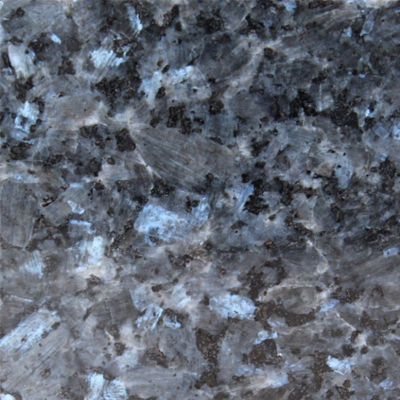
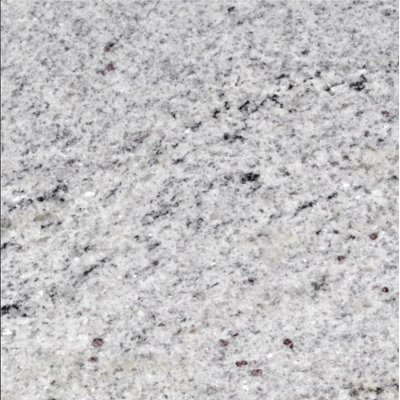
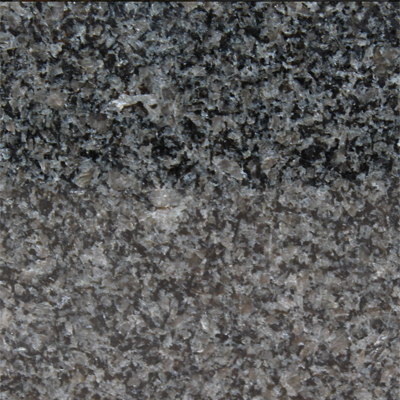
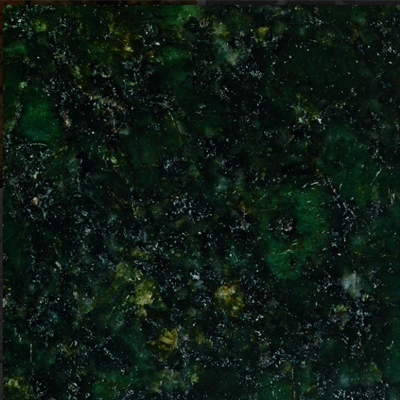
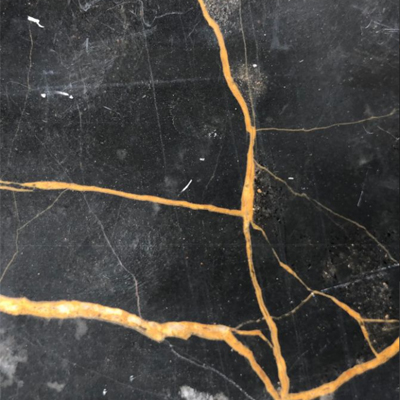
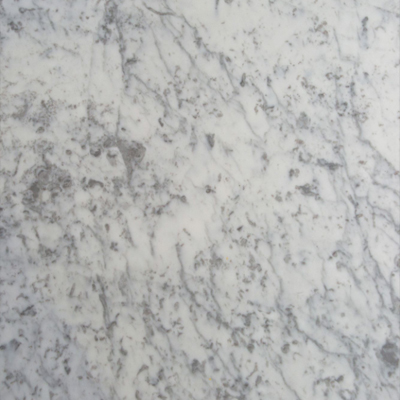
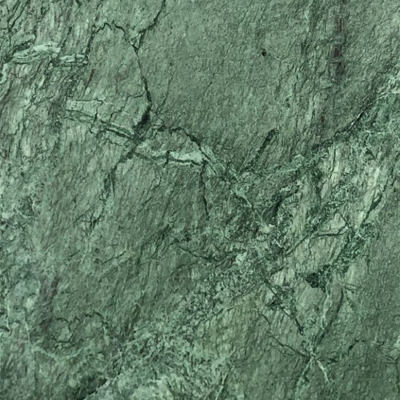
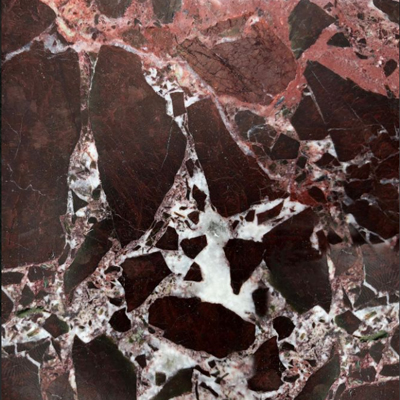
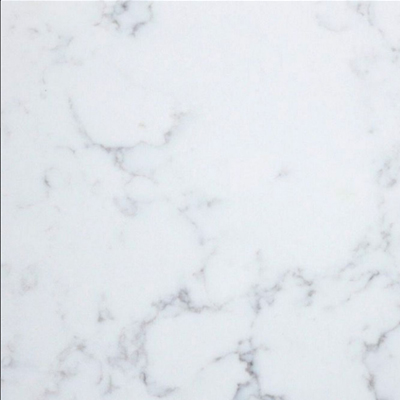
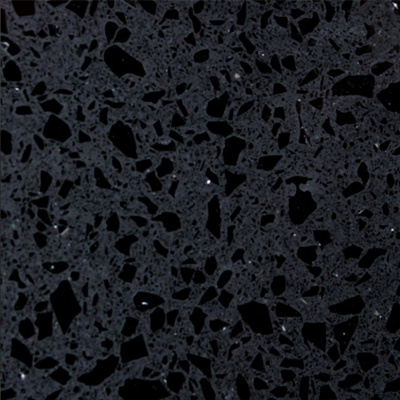
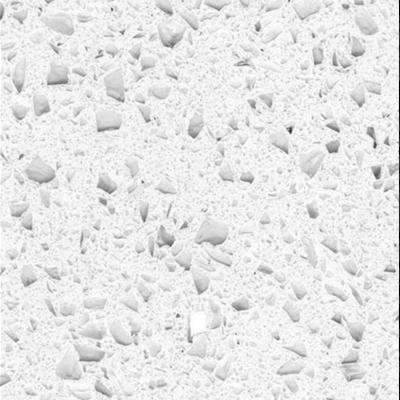
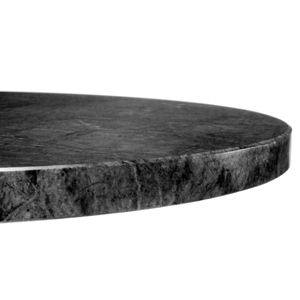
There are 4 material groups that are in the Nobis standard range of stones which have different geological backgrounds and different mineral contents as a result:
Blue Pearl Granite
Kashmir White Granite
Nero Bon Accord Granite
Ubatuba Granite
Granites are volcanic magma formed inside the Earth’s core and shunted through the Earth’s crust. It is a very dense material which weighs about 10% more than marble for the same size and thickness.
Manufactured Quartz– Quartz or Quarzite is the second most prolific mineral of this planet. The material is ground down to dust size particles and then glued back together, with a general make up of around 85-90% quartz, 7% glue and 3-8% pigments.
Terrazzo and Agglomerates consist of a cement or resin mix. Terrazzo contains small marble chippings within this, whereas agglomerates contain larger marble chippings. These materials behave like marbles as they are less dense than granite and slightly porous.
Blue Pearl
Kashmir White
Nero Bon Accord
Ubatuba
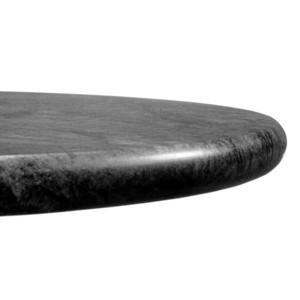
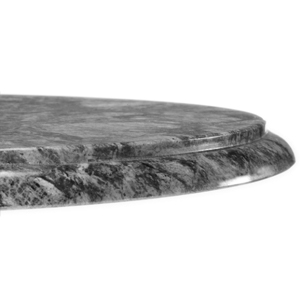
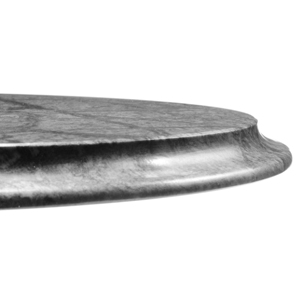
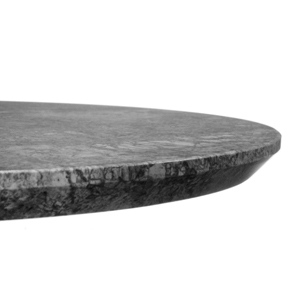
Marble can be finished with the following edge profiles
Straight Edge
Bullnose
Dupont
Ogee
Under Chamfer
There are 3 different types of marking you could incur:
Scratching- Compared to wood, stone is a much harder material to scratch but this can occur. Generally the worst items to cause this are items with unglazed bottoms and sharp edges.
Staining- This usually occurs when tea or coffee pots are put directly on a top- place mats can be used as a solution to this. When a pot pours badly, the liquid runs down the spout and collects at the bottom of the pot. When this is then placed on the stone, the brown liquid is trapped under the hot pot. The law of physics states that liquids are driven away from heat, therefore they will overcome the sealant and light staining will occur.
Etching- This is a reaction between the acid in liquids we consume such as colas, wine, citrus juices, vinegar-based sauces and calcium, which is the main mineral content within marble and limestone. The acid mattes the polish level of the material which can be seen as rings from wine glasses, bottles etc.
Granite and Quartz do not have calcium content therefore do not etch.
Sealants:
Sealants work by clogging the pores of the stone. This helps to prevent the marble from absorbing liquids and help stop colours getting into the stone by extending the period of time to clean up a spillage. It is NOT a surface coating and will not prevent etching.
Over a period of time, tops develop a ‘patina’ from etching. Dark marbles show this the most and this possibility should be discussed with clients as we can offer granite or manufactured quartz with a similar look should this be an issue.
Cleaning:
Hot soapy water- Effective and easy to use.
Biocide Cleaners- These are great at killing bacteria but may leave a smeary finish.
White Spirit- A very good release agent and will remove stubborn marks.
Care of Solid Marble
Taking just a few precautions; like routine sealing; with your marble will mitigate and sometimes eliminate any problems whatsoever
Wipe anything that spills on marble as soon as possible to avoid the chance of staining
Use coasters under glasses or bottles
use mats or trivets to place hot items on marble
Follow a daily and periodic cleaning routine
Use clean clothes each time. Ensure usage of soft clothes
Change cleaning water frequently during cleaning
Always rinse using clean, warm water
Always follow the directions on your cleaner and avoid mixing chemicals unless specified
Abrasives can cause scratches and lessen the life of the marble
Avoid using chemical cleaners, acids like vinegar and lime juice, grout cleaners, tub or tile cleaners. They will etch or dull the stone